
October 3, 2026
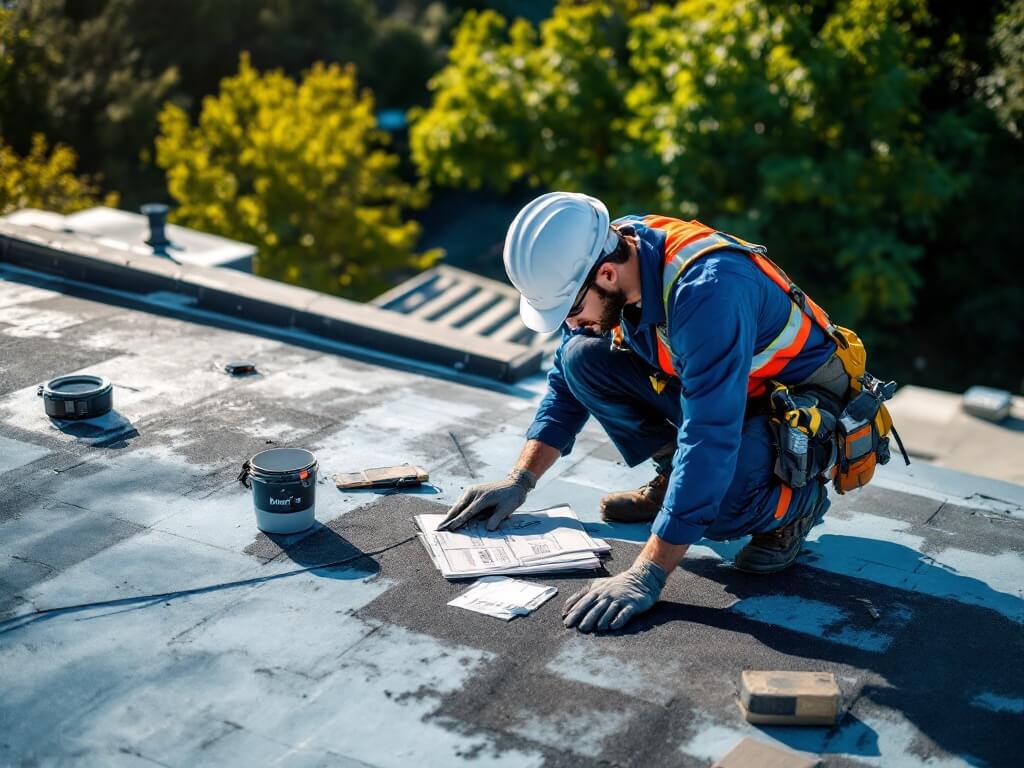
A commercial roof assessment should help a property owner decide what to address now, what to maintain, and what to include in a future budget. The most useful result is a documented action plan that connects roof conditions to the way the building operates.
For owners and managers in Albany and the surrounding Willamette Valley, that means considering tenant access, rooftop equipment, recurring leak reports, and planned building work alongside the roof itself. This guide explains how to prepare for an assessment and turn the findings into practical decisions.
Tell the contractor why you need the assessment. A recurring leak, an upcoming budget review, and a proposed equipment installation raise different questions. Defining the purpose helps establish the required documentation and identify whether additional investigation may be needed.
Orezona’s commercial roof inspections review accessible conditions and organize findings into priorities. Confirm the scope for your particular building when arranging the visit.
You do not need a perfect maintenance archive to begin. Gather the records you have, and label missing information as unknown rather than guessing. Useful material includes:
A simple floor plan can be especially useful. Mark where occupants noticed moisture and record whether it followed a particular storm or equipment service. These observations provide context; they do not establish the source of the water on their own.
A building may have an older section, a newer addition, and several distinct drainage zones. Give those areas consistent names, such as “north warehouse” and “office addition.” Ask for photos and findings to use the same labels.
This prevents a common planning problem: approving a repair without knowing which part of the building it covers. Clear locations also help a future contractor understand what was repaired and where recurring concerns need review.
A visual assessment can document observable conditions and identify questions that need further investigation. It does not reveal every concealed layer or guarantee that all moisture sources have been found. Ask the report to distinguish observed damage from suspected conditions.
If additional testing is recommended, ask what question it would answer, which locations it would cover, and how the results might change the work proposal. Do not assume specialized testing is part of a standard inspection.
Ask which findings call for prompt action and why. An active leak over occupied space has a different operational consequence from a maintenance concern over an unused storage area. Identify who will coordinate access and what temporary or permanent work is being proposed.
For each recommended repair, request a location, a description of the issue, the proposed scope, and the intended result. Separate correcting a specific defect from broader improvements. That makes it easier to compare proposals and confirm that completed work matches the authorization.
Build a task list with an owner and review date. Include the locations to revisit and what changes should trigger a follow-up call. Orezona’s commercial roof maintenance service can be discussed alongside the assessment findings so routine care has a defined scope.
Record larger work that deserves advance budgeting. Ask which findings support the recommendation and what information remains uncertain. A planning allowance is different from a detailed construction proposal; mark that difference clearly in your internal budget documents.
Before scheduling work, identify delivery routes, loading areas, building entrances, and equipment that must remain accessible. Let the contractor know about tenant schedules and sensitive operations. If rooftop equipment work is planned, discuss the sequence with the relevant trades before approving separate scopes.
For example, a planned equipment replacement may affect the same roof area as a proposed repair. Coordinating the two scopes can help avoid completing work that another trade then needs to disturb. This is a planning scenario, not a reason to delay an active problem without professional guidance.
Keep a short action register alongside the assessment report. Each entry should identify the roof area, finding, priority, approved action, responsible contact, and completion status. Attach before-and-after documentation as work is completed.
At the next review, compare the same locations rather than starting a new list from memory. Repeated concerns in one area deserve a discussion about whether the previous scope addressed the underlying issue.
No. Its purpose is to clarify conditions and options. Ask the contractor to explain why each proposed action fits the documented findings.
Treat any service-life estimate as a planning judgment with assumptions, not a guaranteed expiration date. Ask what conditions could change the recommendation and when it should be reviewed.
Agree on a review schedule based on the roof, its records, and current concerns. Also discuss whether significant weather events, new leaks, or rooftop work should prompt an earlier review.
A useful assessment gives owners, managers, and contractors a shared record for decisions. Contact Orezona Roofing with your building location, known concerns, and documentation needs to discuss a commercial roof assessment and its scope.


