
January 20, 2026

If you're asking yourself whether you need roof inspection services in Albany, OR, you're definitely not alone.
Most people only think about their roof when there’s a drip in the living room—or worse, a ceiling collapse.
But the truth is, roofs don’t start failing suddenly. They whisper hints before they scream: a loose shingle here, a clogged downspout there, flashing that's lifted just enough to let water sneak in.
Living in Albany, where rain doesn’t just visit—it moves in—roof inspections are less of a “nice-to-have” and more of a survival strategy for your home.

In a place like Albany, we’re not strangers to constant moisture, heavy rains, seasonal storms, and moss growing like it got a standing invitation.
That combo is like a perfect storm for roofing issues.
Regular inspections help you:
One homeowner told me they waited until signs of a drip came through the kitchen ceiling during a downpour last November. Turns out, a cracked vent boot had been leaking into the attic for months—destroying insulation and rotting a section of their plywood deck. A $150 repair could’ve saved them from a $4,500 nightmare.
Your once-a-year (or ideally, twice-a-year) roof wellness check.
Roofers check the surface materials, sealants, fasteners, chimneys, vents, gutters, and the attic for moisture or daylight peeking through.
Think of this as your annual physical. Small problems are way easier (and cheaper) to fix early.
After Albany’s classic windstorms or nonstop rain, these inspections zero in on parts hit hardest—shingles, flashing, valleys, and rooflines under tall trees.
If you’re seeing missing shingles or hearing dripping behind the drywall, it’s time to make this call.
Buyers and sellers need these as part of due diligence.
You never want to find out about sagging decking or past storm cover-ups after signing the closing documents.
These are gold when you’re filing storm damage claims.
A roofing contractor can give you documentation, photos, and clear evidence of what was caused by the storm—vs. what was already aging.
Pro tip: Insurance adjusters are much more likely to approve valid claims if you hand them a report from a pro, not a speculation from a neighbor holding binoculars.
Not every inspector is created equal.
Here’s how to know who to call:
Most roofing contractors in Albany also know the ins-and-outs of local code, common storm damage, and material types we see out here. That’s a massive bonus when things get serious.
Key takeaway: If your roof’s acting up or storms just rolled through, you want a roofer—not just a home inspector.
This isn’t just a guy glancing at your shingles from a ladder. A professional roof inspection is systematic, weather-aware, and photo-documented.
Here’s what’s usually part of the service package.
The roof is scanned for:
I once inspected a roof where the owner thought “a few lost shingles” weren’t that big of a deal. From the ground, it didn’t look bad at all. But once I got up there, I realized wind had lifted several shingles enough to let water creep underneath—half the underlayment along the ridge was moldy. You can’t fix what you can’t see.
This is where the sneakiest leaks happen.
We check:
These areas are where water flow is concentrated—and where rot loves to start.
We look for:
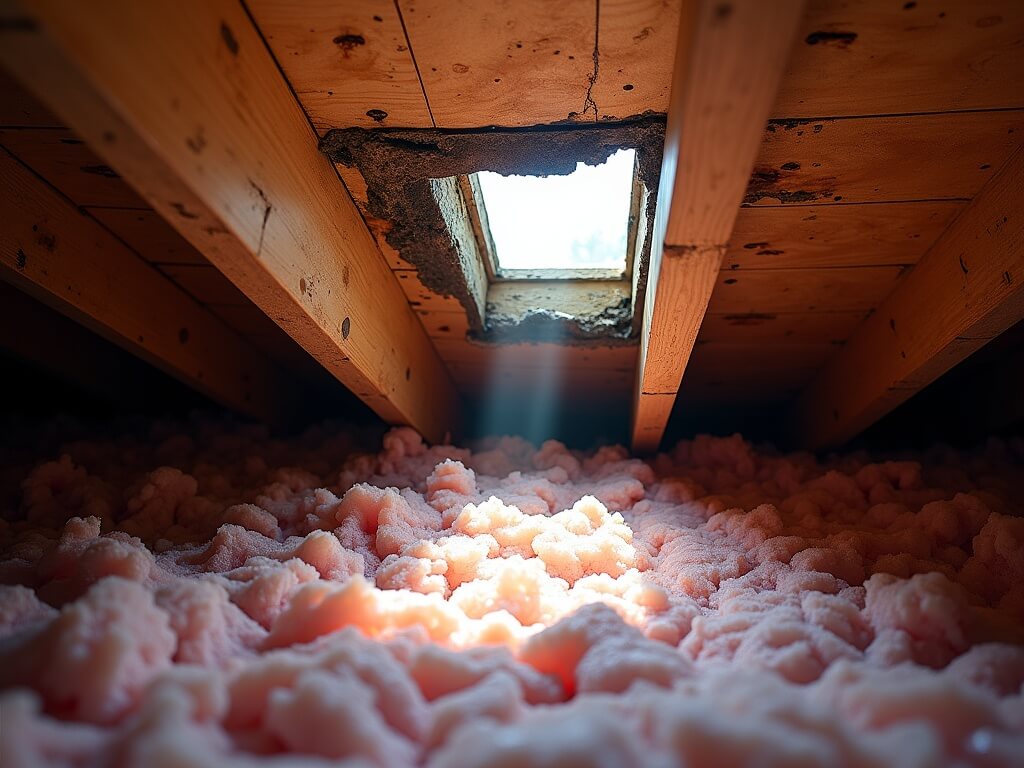
From outside and inside (in the attic), pros check:
Most homeowners would never crawl into their attic after the first rain of the season. But that’s precisely when leaks announce themselves.
Ventilation failures are one of the silent killers of roof systems.
Your attic is checked for:
This part is about prevention. Heat and moisture buildup lead to early roof breakdown and summer energy spikes.
Albany roofs take a beating from rain and falling debris.
On every inspection, techs check:
Even a single loose gutter bracket can cause overflow to drip behind the fascia—leading to rot that travels into exterior walls.
If it drains improperly, the water always finds another way—usually the worst one.
Albany’s damp, shaded roof corners can be breeding grounds for moss.
Inspections will report on:
You do not want to be the person who ignores moss for years, thinking it’s just a cosmetic issue. That’s when it burrows in.
A true roof inspection should leave you with:
That documented report? It’s your new best friend come insurance claim time or real estate appraisal.
Here’s the thing about roof storm damage… It often doesn’t look obvious.
Unless a tree fell through your attic, signs are subtle.
Albany storms like to peel back shingles just enough to let water slide in quietly. Weeks later, you notice ceiling spots, and suddenly you’ve got drywall damage, soaked insulation, and potential mold colonies.
Water damage can also hit late.
We trace it back to the roof by following:
Important note: Insurance adjusters want clean, dated evidence. That means you need photos and line-item findings from your roofing contractor as quickly after the storm as possible.
The roof might not be splintered, but if a section of flashing has failed after a high-wind event, that’s storm damage—and it counts.
After a wind or rainstorm, do a quick check from the ground:
Inside the house?
What hit your roof yesterday could leak into your living room next month.
Key takeaway: Roof issues left uninspected don’t quietly fix themselves. They compound.
More signs your roof may have storm damage—and when to call—in the next section: https://www.orezonabuildingcompany.com/roof-inspection-in-albany-oregon
Need fast help with damage? Learn more about roof repair in Albany, OR: https://www.orezonabuildingcompany.com/roof-repair-in-albany-oregon
If you remember one thing about roof health in Albany, it’s this:
The weather doesn’t have to be extreme to wear your roof down—it just has to keep showing up.
Which it does.
That’s why seasonal checkups (https://www.orezonabuildingcompany.com/services/roof-inspections) aren’t optional. They’re part of your home’s basic survival plan.
After months of rain, freezing temps, and the occasional windstorm, spring is when winter’s damage comes to light.
I can’t count how many inspections I’ve done in March where we found:
This is the time to inspect, clear debris, and patch small issues before spring showers return with a vengeance.

Albany’s summer isn’t Arizona-hot, but combo rain-sunshine makes moss and algae thrive.
Summer roof prevention should include:
Bonus: well-ventilated attics can cut your cooling bill by 10–15%.
Every fall, we remind homeowners to run a pre-winter inspection.
Why?
Because roof problems that are easy fixes in October turn into $3K headaches by February.
This is the season to:
If you’re only doing one roof check a year, do it here—before the storms roll in.
Winter is the stress test.
If your roof system has any flaw, this is when it announces itself.
This is why we advise clients to:
Quick tip: Store a few plastic tarps and plastic sheeting where you can reach them fast.
Bottom line: Seasonal awareness (https://www.referredroofcleaning.com/top-roof-inspections-maintenance-tips/) lets you stay ahead of issues and dramatically increase the lifespan of your roofing system.
I’ll be real—you don’t need to call a professional every time a leaf falls on your roof.
There’s plenty you, as a homeowner, can (and should) do.
Simple stuff like this goes a long way in flagging issues early.
Here’s where the limitations kick in:
And most important—you don’t belong climbing a ladder during or after rain.

Let trained eyes (https://www.orezonabuildingcompany.com/services/roof-inspections) spot subtle structural problems before they mushroom into full-blown replacements.
When we inspect a roof, we’re not “checking boxes.”
We use:
Plus, we give you something priceless: a full report with photo documentation, which becomes a legal asset during real estate sales, warranty questions, or insurance claims.
Homeowner takeaway?
Use DIY checks for awareness, not diagnosis.
Let a licensed, experienced roofing contractor (https://www.orezonabuildingcompany.com/services/roof-inspections) handle what binoculars can’t see.
By now, you know your roof’s under siege from the weather year round.
Top signs include:
One client thought they’d dodged the last three storms. Turns out, insulation had been absorbing a slow leak all season—and mold had just started framing the perimeter.
Clogged gutters don’t just spill water.
They create standing moisture pools that seep:
Gutter slope, brackets, and downspout flow are all part of our inspection.
In shaded tree-lined neighborhoods, we routinely find:
If it’s green and sitting on your shingles, it’s feeding off your roof.
Shingles don’t age evenly. We flag:
When water gets under, a small drip isn’t far behind.
Visual sagging, wave-like roof lines, and uneven decking are structural warnings.
They often stem from:
Ideally twice: before storm season in the fall and again post-winter.
General rule:
Always have an inspection when:
That scan likely saved one buyer over twenty grand in roof and insulation fixes.
You might hesitate to book an inspection when “nothing’s wrong.”
But here’s the payoff:
Buyers love homes with up-to-date roof reports.
Ask these questions before hiring:
Red flag: Anyone who won’t give documentation or pushes full replacement without proof.
Prevent broken branches and clogged gutters.
Book early to catch small fixes before big storms.
Leaks don’t start big. Storm damage isn’t always obvious.
But quietly, your roof is either working… or waiting to fail.
Don’t wait until the water’s coming through the ceiling.
Call in roof inspection services in Albany, OR (https://www.orezonabuildingcompany.com/services/roof-inspections) before that whisper turns into a wreck.
For professional help or a no-pressure inspection, call us at (541) 981-2190 or visit us at 4505 Marion’s St SE Albany.
Roof repair services: https://www.orezonabuildingcompany.com/services/roof-repairs
Roof replacement in Albany: https://www.orezonabuildingcompany.com/roof-replacement-in-albany-oregon
Commercial roof inspections: https://www.orezonabuildingcompany.com/services/commercial-roof-inspections
Roof inspections in Corvallis, OR: https://www.orezonabuildingcompany.com/roof-inspection-in-corvallis-oregon


