

October 24, 2026
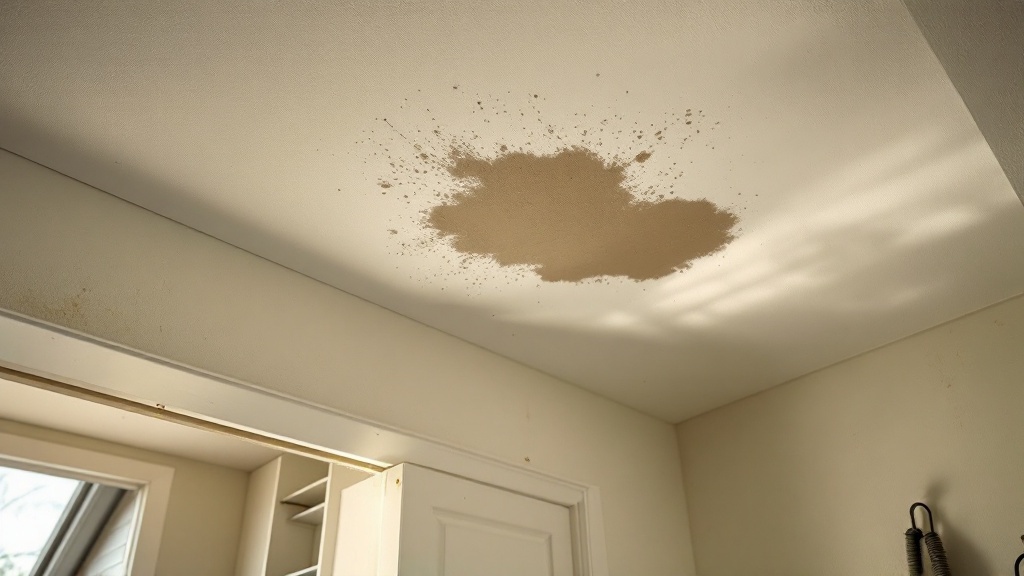
A ceiling stain that appears during a downpour can leave you wondering whether the storm damaged the roof or exposed an older problem. The timing is useful evidence, but it does not identify the cause on its own.
If your roof is leaking after heavy rain in Albany or elsewhere in the Willamette Valley, arrange a professional assessment and record what you can safely observe. Clear notes help explain an intermittent leak even if the rain stops before the contractor arrives.
Water can travel within the roof assembly before becoming visible indoors. The location of a drip tells the investigator where a symptom appeared, but the entry point may be elsewhere.
That is why a repair conversation should cover more than the ceiling directly above a bucket. Orezona's roof repair service includes investigating likely entry points and surrounding conditions before defining the work.
Displaced or deteriorated roofing may leave vulnerable areas. Whether the problem is local or widespread needs assessment. A missing piece noticed from the ground is useful information, but it may not explain every leak symptom.
Chimneys, walls, vents, and skylights interrupt the main roof surface. Their water-shedding details deserve attention during a leak investigation. GAF's guide to roof flashing explains the role of these connections in directing water away from vulnerable areas.
Debris and other obstructions can affect water movement. Tell the contractor if you notice unusual overflow from a safe ground-level position. Do not assume clearing a visible gutter issue will necessarily resolve an interior leak; the water path still needs to be identified.
Create a short incident log while the details are fresh. Describe what happened without trying to diagnose it. “Dripping began near the hallway light after an hour of rain” gives clearer context than “the flashing failed.”
Take a wide photo for location and a closer photo for detail when it is safe. Keep earlier images so changes can be compared. Do not enter an unsafe attic or climb onto a wet roof to collect evidence.
Keep people away from a sagging ceiling or water near electrical fixtures. Do not touch wet electrical equipment or stand beneath a visibly compromised ceiling. Obtain urgent professional help when those conditions are present.
If belongings can be moved without entering a hazardous area, move them away from the water. Leave rooftop tarping, temporary repairs, and leak testing to qualified professionals. Tell the roofing company whether water is actively entering when you call so the situation can be assessed appropriately.
During the review, ask the contractor to separate confirmed observations from likely explanations and unresolved questions. An inspection during dry weather may reveal damage without reproducing the exact rain conditions.
Useful questions include: Which area is the suspected source? What evidence connects it to the indoor symptom? Is further investigation needed? What does the proposed repair address? Ask for the location and scope in writing so the next step is clear.
Retain the repair description and any completion photos. If the symptom returns, record the new event and contact the contractor with the earlier information. Repeated patching without an explanation of the water path should prompt a broader discussion.
A leak does not automatically establish the need for replacement. A roof inspection can help put the affected area in the context of the whole roof. Our roofing estimate checklist can help you review the proposed work.
Yes, symptoms can vary with conditions. Record the pattern and arrange an assessment even if the area later appears dry.
Report the issue now. Photos and notes can help the contractor plan an appropriate investigation.
Contact Orezona with the property address, whether the leak is active, and the observations you have collected safely.


