
July 18, 2026
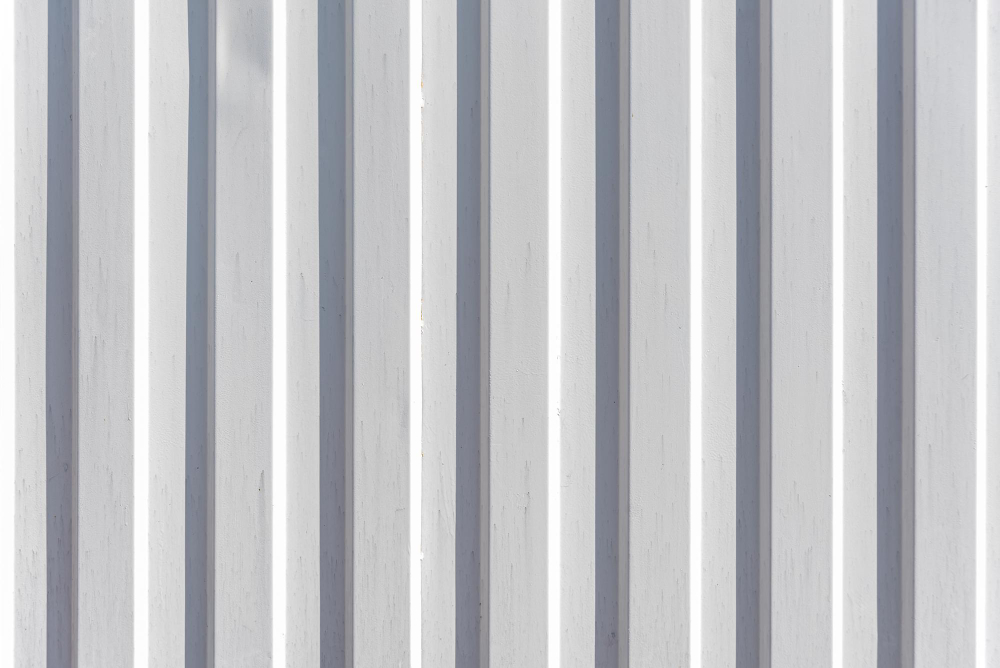
Metal roofing panels are durable sheets of metal designed to protect your home or building from weather while providing a modern, clean appearance. These panels come in different materials like steel, aluminum, and copper, and are available in various styles including corrugated, ribbed, and standing seam designs. You can find them at major retailers like Home Depot, Lowe's, and Menards, or through specialized metal roofing suppliers.
Metal roofing panels typically last 40 to 70 years, resist fire and extreme weather, and can reduce your energy costs by reflecting sunlight. They work well for houses, sheds, barns, and commercial buildings. The panels are lighter than traditional shingles but stronger against wind, hail, and heavy snow.
Picking the right metal roofing panels depends on your budget, building type, and local climate. You'll need to understand the different panel profiles, select appropriate colors and finishes, and gather the necessary accessories like trims and fasteners. This guide walks you through panel selection, installation basics, and design ideas to help you make the best choice for your project.
Different panel profiles work best for different buildings and budgets. Metal roofing and metal siding serve separate purposes and use different panel designs, while your choice of materials and finishes affects both appearance and long-term performance.
Standing seam panels use concealed fasteners and raised seams that create a clean, modern look. This profile works well for custom homes, barndominiums, and commercial buildings where appearance matters. The panels float on clips that allow metal to expand and contract without stress.
Exposed fastener panels like PBR (Purlin Bearing Rib) and Tuff Rib attach directly through the face of the panel. These profiles cost less and install faster than standing seam. They fit agricultural buildings, pole barns, shops, and commercial structures where budget efficiency matters more than premium looks.
Corrugated panels feature the classic wave pattern many people recognize from farm buildings. The 7/8" corrugated profile provides good strength and water shedding. You can use it for barns and agricultural structures, or as accent walls in modern designs.
Mechanically seamed panels create the most watertight seal available. A special tool rolls the panel edges together into a folded mechanical lock. This profile handles low-slope roofs and large commercial spans where standing water might occur.
Metal roofing panels focus on water shedding and weather protection. They need profiles that channel water away quickly and seal tightly at the seams. Most roofing panels run vertically from ridge to eave.
Metal siding panels prioritize appearance and wall protection. Board and batten siding creates vertical shadow lines that mimic traditional wood patterns. Shiplap panels offer horizontal lines for a farmhouse look. Flush wall panels provide smooth, flat surfaces for modern commercial buildings.
You cannot always swap roofing panels for siding or the other way around. Roofing panels need proper slope and water management features. Siding panels work on vertical walls where water runs straight down instead of across the surface.
Steel panels in 26 gauge work for most residential and light commercial projects. Drop to 29 gauge for budget agricultural buildings. Go up to 24 gauge for barndominiums and commercial roofs. Use 22 gauge for heavy commercial applications with wide spans.
Gauge Comparison:
Premium coatings like Sherwin-Williams WeatherXL SMP resist fading and chalking better than basic painted finishes. Galvalume coating provides excellent corrosion resistance without color. Specialty finishes include wood-look prints that replicate cedar or barnwood, and Cor-Ten steel that develops a controlled rust patina.
Metal roofing panels require proper installation techniques to perform well over decades. Performance depends on choosing quality materials and understanding how panel profiles affect durability and energy efficiency.
Installation starts with a properly prepared substrate and correct underlayment. Check that purlins are level and spaced correctly before any panels go up. Your first panel sets alignment for everything else, so use a chalk line and check for square before fastening.
Exposed fastener panels use neoprene-gasketed screws driven through the panel face at major ribs. Don't overdrive the screws. The gasket should mushroom slightly around the base, not crush flat. Standing seam panels attach through concealed clips fastened to the substrate at 12 to 24-inch spacing depending on your wind zone.
Install foam closure strips at the eave to block insects and wind-driven rain from entering through the panel profile. Eave trim goes on before the first panel and must be straight and level. Check your alignment every few panels by measuring from your chalk line. Small drift adds up quickly over a long roof run.
Ridge cap and trim pieces complete the installation. Use inside closure strips at the ridge before the cap goes on. Proper trim work prevents leaks at transitions and gives your roof a finished appearance.
Metal roofing panels last 40 to 60 years when installed correctly. Panel profiles impact both appearance and performance. Standing seam systems provide superior weather resistance because they use concealed fasteners that don't penetrate the panel surface. Exposed fastener panels cost less but require gasket maintenance over time.
Reflective roofing can affect cooling demand, but results depend on climate, insulation and the building. Review ENERGY STAR’s cool-roof guidance and assess the proposed product rather than assuming a fixed saving.
Your warranty depends on following installation specifications exactly. Use only the fasteners specified for your panel system. Mixing incompatible metals can cause galvanic corrosion that voids your warranty coverage.
A project gallery shows you how different panel profiles look on actual buildings. You can see standing seam panels on residential homes, corrugated panels on agricultural buildings, and specialty profiles on commercial structures. Panel profiles create different visual effects. Narrow standing seams give modern clean lines while wider exposed fastener panels create bold shadow lines.
Look at color combinations in real applications rather than just sample chips. The same color appears different on a large roof plane versus a small sample. Project galleries also show trim details and how panels work with other building materials like stone, wood, and glass.
Metal roofing panels involve significant investment decisions and technical considerations. Understanding costs, installation requirements, and long-term performance helps you make informed choices for your roofing project.
Metal roofing costs vary with the metal, panel style, finish, roof complexity and preparation. Request a written quote that includes installation, flashing and disposal.
Copper and zinc systems require product-specific detailing and experienced installation. Compare material specifications, compatibility and the complete written scope.
Your roof's complexity affects installation costs. Roofs with multiple angles, valleys, or penetrations require more labor and waste. Simple gable roofs cost less to panel than complex hip or mansard designs.
Standing seam pricing depends on panel specifications, seam details, access and installation requirements. Compare complete quotes with other systems suitable for the roof.
For a 1,000 square foot roof, you need approximately 30 to 35 metal panels in standard 3-foot widths and 12-foot lengths. The exact number varies based on your roof's dimensions and the panel coverage width.
You must account for panel overlap when calculating quantities. Most panels have a coverage width of 2.67 to 2.83 feet after accounting for side laps. This means a 3-foot-wide panel doesn't cover a full 3 feet.
Add 10 to 15 percent extra material for waste, cuts, and errors. Roofs with many angles, hips, or valleys need more waste allowance. Your roof pitch also affects the amount needed since steeper roofs have more surface area than their horizontal footprint suggests.
Measure your roof carefully before ordering. Calculate the area of each roof plane separately, then add them together. Divide the total by the actual coverage width of your chosen panels.
You need synthetic underlayment or felt paper beneath metal roofing panels. Synthetic underlayment is the better choice because it resists tearing, doesn't absorb water, and lasts longer than traditional felt.
Use underlayment rated for high temperatures. Metal roofs get hot in direct sunlight, and some underlayments can deteriorate or stick to the metal. Look for products specifically labeled for metal roofing applications.
Install a slip sheet between the underlayment and metal panels. This prevents galvanic corrosion and allows the panels to expand and contract freely. Many installers use rosin paper or red rosin paper as an effective slip sheet.
Apply ice and water shield at vulnerable areas. Install it along eaves, valleys, and around penetrations. This self-adhering membrane provides extra protection where water tends to accumulate or ice dams form.
Metal roofs cost less than asphalt shingles over their full lifetime despite higher upfront costs. A metal roof lasting 50 years costs less per year than replacing asphalt shingles two or three times during the same period.
Asphalt roofing costs depend on roof size, access, tear-off, underlayment, flashing and the selected product. Compare written proposals for equivalent work.
Metal roofing requires minimal maintenance compared to asphalt. You won't need to replace damaged shingles, treat moss growth, or repair wind damage as frequently. This saves you money on repairs and maintenance calls.
Oil canning is the most visible issue with metal roofing panels. This wavy appearance occurs when flat panels expand and contract. Choose panels with striations or standing seam profiles that hide or minimize this effect.
Leaks develop at fasteners and seams when installation is improper. Use the correct fasteners with neoprene washers that seal out water. Avoid overdriving or underdriving screws, as both compromise the seal.
Corrosion happens when dissimilar metals contact each other. Install proper separators between different metal types. Use stainless steel or matching metal fasteners rather than mixing aluminum panels with steel screws.
Noise concerns arise when panels aren't properly attached to solid decking. Install metal over solid sheathing with adequate insulation. This dampens sound from rain and hail to levels comparable with other roofing materials.
Scratches and dents can damage the protective coating during installation or severe hail. Handle panels carefully and consider impact-resistant coatings in hail-prone areas. Touch up any scratches immediately to prevent rust.
Local metal roofing suppliers and building material distributors stock standard-length panels. Check roofing specialty stores, metal supply companies, and large home improvement centers in your area.
Compare panel gauge and coating quality between retailers. A lower gauge number means thicker, stronger metal. Look for panels with Kynar 500 or similar high-performance paint systems that resist fading and chalking.
Ask about custom cutting services. Some suppliers cut panels to your exact measurements, reducing waste and installation time. This service typically costs extra but saves money on material waste.
Check delivery options and costs for your project size. Metal panels are long and require special transportation. Some retailers offer free delivery above certain order minimums, while others charge by distance.
Review warranty terms carefully before buying. Panel warranties vary significantly between manufacturers and coating types. Compare coverage length, what's included, and whether the warranty is transferable to future homeowners.


