
September 3, 2026
Buying a home in Albany means buying its roof too, whether that roof is three years old or twenty. Most purchase contracts already call for a general home inspection, but that inspection often gives the roof only a quick look from the ground or a short walk across the surface. A dedicated pre-purchase inspection digs deeper, and in a place where rain can fall for weeks without a break, that extra attention pays off.
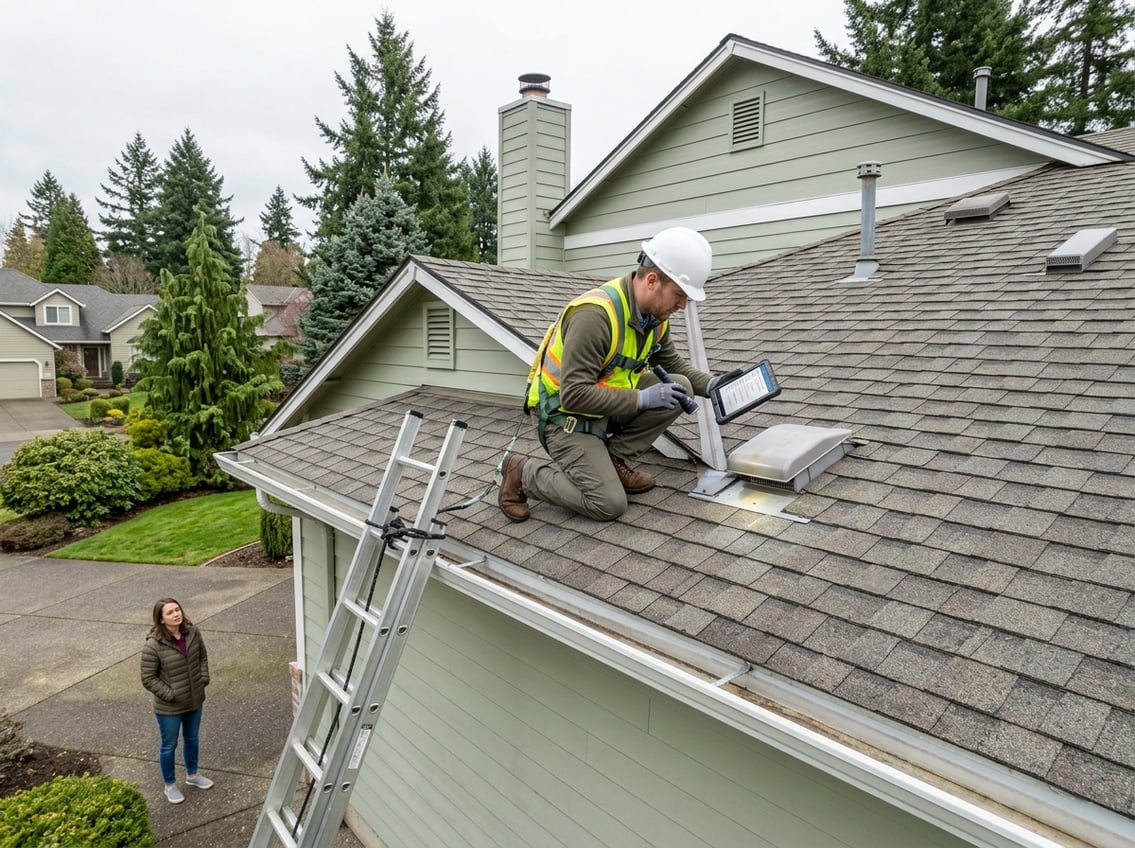
A focused roof inspection before buying a house in Albany, OR gives buyers a clear, honest picture of the roof's real condition, separating minor maintenance items from repairs that need attention soon and helping avoid costly surprises after closing. Orezona Roofing has spent years walking Willamette Valley roofs and knows how moss, wind-driven rain, and tree debris show up in the materials over time. That local experience turns a roof report into something buyers and their agents can actually use.
This kind of inspection is not about scaring anyone away from a good house. It is about giving homeowners, buyers, and real estate professionals the facts they need before the closing date arrives.
A roofing specialist looks at the roof as their main focus, not one stop on a long checklist. General home inspectors cover the whole property, from the foundation to the electrical panel, and the roof usually gets a portion of that time. A roofing contractor spends the whole visit on the roofing system itself.
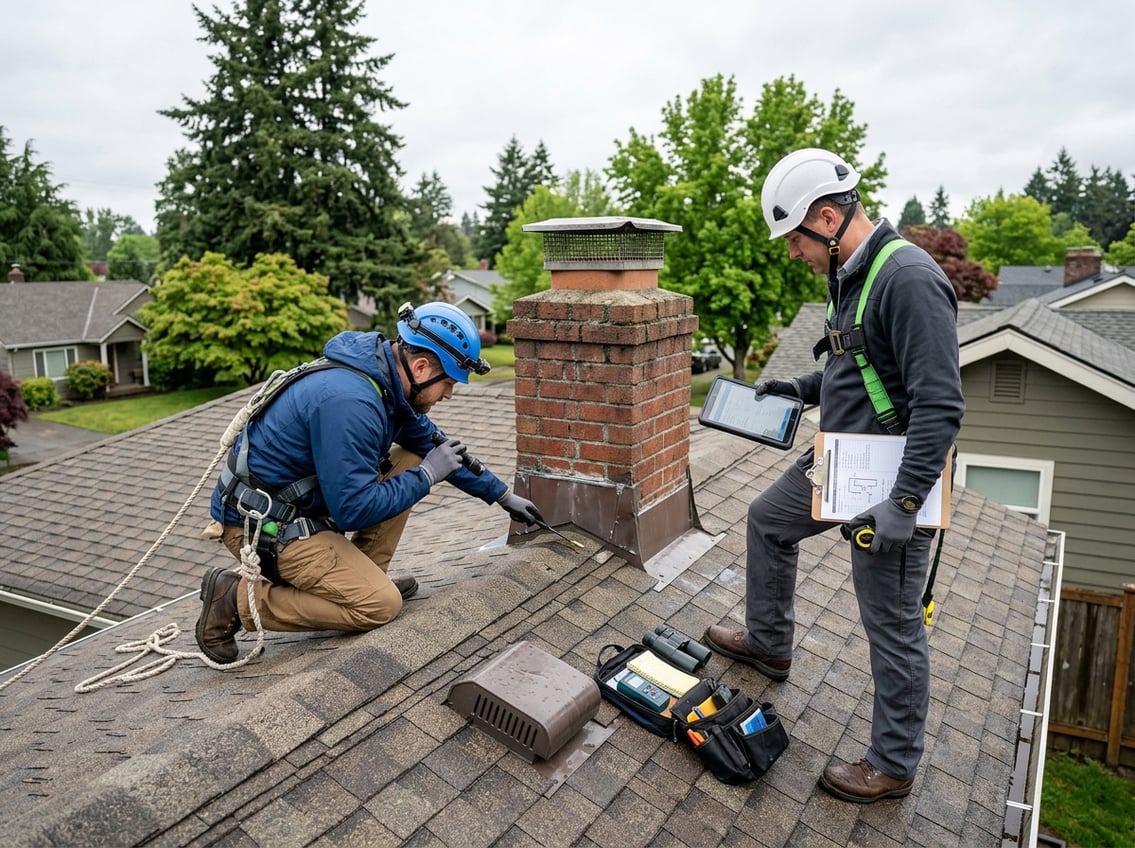
A property inspection often relies on a visual look from the ground or a short walk on accessible areas. It may miss early flashing wear, minor granule loss, or moss taking hold in shaded valleys. These are the kinds of details a roofing contractor is trained to catch early, before they turn into a leak.
The best time is right after the offer is accepted, during the inspection contingency window. This gives buyers time to review findings, request records, and still negotiate before the closing date. Waiting until the final walkthrough leaves little room to act on anything found.
Clear roof documentation can support price discussions, repair credits, or a simple decision to move forward with confidence. Lenders sometimes ask for a roof certification before approving financing, especially on older homes. Real estate agents appreciate having a report in hand that answers questions before they come up. Orezona Roofing's real estate roofing partner service was built for exactly this kind of timeline.
A thorough roof inspection looks at the whole system, not just the shingles on top. It covers the roofing materials themselves, the flashing details around penetrations, the decking underneath, attic conditions, and how water moves off the property once it leaves the roof.
Granules protect shingles from sun and weather, and losing too many is a sign of aging. It's worth checking gutters for a buildup of gritty granules, since that often shows up before shingles look obviously worn. Ridge caps, the shingles running along the roof's peak, take extra wind exposure and tend to wear faster than the rest of the field.
Flashing is the metal or rubber material sealing joints where the roof meets skylights, chimneys, and vent pipes. In Albany's wet season, a small gap here can let water travel a long way before it shows up as a stain inside. Pipe boots, the rubber collars around vent pipes, are common trouble spots because the rubber cracks with age and sun exposure.
A soft or spongy feel underfoot usually points to decking damage beneath the shingles. This affects the roof's structural integrity and often means water has been getting in for a while. Catching this before closing gives buyers a much clearer picture of repair scope.
Good attic ventilation keeps moisture from building up under the roof, which matters a lot in a climate with long stretches of rain. Signs to look for include damp insulation, dark staining on the underside of the decking, or a musty smell. These clues often tell more than what's visible from the roof surface alone.
Clogged gutters and poor drainage send water toward the foundation instead of away from it. Moss buildup holds moisture against shingles and shortens their working life, which is a common concern across Corvallis and the wider Willamette Valley. It's also worth glancing at siding near the roofline for staining, since that often reflects a drainage or flashing issue above it.
Some roof problems deserve prompt attention, while others can reasonably wait. Knowing the difference helps buyers respond with the right level of urgency instead of guessing.
Active leaks call for quick action, since ongoing moisture can damage decking, insulation, and framing the longer it goes unaddressed. Past water stains that look dry and contained are worth noting but may not need an emergency response. A roofing contractor can tell the difference by checking moisture levels and surrounding materials.
Wind events are common in the valley, and loose or missing shingles after storm damage leave the decking exposed. This kind of damage tends to get worse with the next round of rain if it sits unrepaired. A prompt roof repair can often resolve this without a full replacement.
Roof valleys, where two roof slopes meet, and areas around penetrations like vent pipes are common spots for prior patch jobs to fail. A quick sealant fix from a past owner sometimes hides a bigger issue underneath. These spots deserve a closer look during any pre-purchase evaluation.
Curling shingles, granule loss across large sections, and multiple failed flashing points together suggest the roof is nearing the end of its useful life. This doesn't mean every aging roof needs a new roof right away, but it does mean buyers should plan for the possibility. A written estimate helps put a realistic number on that plan.
A good inspection report gives buyers a way to sort findings by urgency instead of treating every item the same. That sorting is what turns a long list of notes into a workable plan.
Some findings, like an active leak, call for action before or right after closing. Others, like minor granule loss on a roof with several years of life left, can reasonably be watched over time. A clear report should label which is which instead of leaving buyers to guess.
Ask the seller for any past roof repair records, warranty paperwork, or receipts from previous work. A written repair estimate from a roofing contractor gives buyers a real dollar figure to work with during negotiations. Lenders on some loan types also request a roof certification confirming a minimum remaining life.
Buyers can ask for a repair credit, a price adjustment, or for the seller to complete the work before closing. Which option makes sense depends on the timeline and how urgent the repair is. A roofing estimate in hand makes this conversation more concrete for everyone involved.
Commercial and mixed-use properties often have flat or low-slope roofing systems like TPO, EPDM, or modified bitumen, which age differently than residential shingles. A commercial roof inspection should review membranes, drains, and coatings in addition to the usual leak and moisture checks. These reports also support insurance documentation and future maintenance planning.
A specialist roof inspection turns an unknown into a known before the closing date arrives. It shows what needs attention now, what can wait, and what a realistic repair or replacement cost might look like. That clarity supports better decisions for homeowners, buyers, and the real estate professionals guiding them through the process.
Orezona Roofing has served Albany, OR, and the surrounding Willamette Valley for years, with photo-documented reports and honest, no-pressure recommendations built around local weather patterns. A call to (541) 981-2190 or a visit to orezonabuildingcompany.com is a good next step for anyone weighing a purchase decision on a timeline.
Inspection fees vary with roof size, access, methods and reporting. Confirm the scope and fee before booking, including any charge for specialist assessment.
A roof inspection is a separate, roof-focused service, while a home inspection covers the whole property in less depth. A roofing contractor typically spends more time on the roof itself, including attic access and close-up checks of flashing and decking. Both serve a purpose, and pairing them gives buyers a fuller picture.
A dedicated roof inspection is still worth considering, since a general inspector may not have accessed the attic or checked flashing closely. No leak found during a walkthrough doesn't rule out early wear or moisture issues that haven't shown up inside yet. Catching these early gives buyers more time to plan.
Active leaks, storm damage with missing materials, and failed repairs at valleys or penetrations deserve the most attention. Widespread wear across the whole roof surface is also worth flagging, since it may point toward replacement planning. A written report helps separate these from smaller, lower-priority items.
A roof inspection report gives buyers documented findings and repair estimates to bring into price or credit discussions with the seller. Having a specific dollar figure from a written estimate makes these conversations more concrete than a general concern about roof age. Many buyers use this information to request a credit, a price adjustment, or completed repairs before closing.
Orezona Roofing works to accommodate tight closing timelines and can often schedule inspections with priority attention for time-sensitive transactions. Reports typically include photo documentation so buyers and agents have clear evidence to review quickly. Calling (541) 981-2190 is the fastest way to check current availability.
For a home purchase, review our roof inspection service and roofing support for real estate transactions. Contact our team to confirm availability against your closing timeline. Contact Orezona to discuss your property.


