
August 11, 2026
.avif)
A cracked shingle or small leak does not always mean you need a new roof. Sometimes a simple fix is all it takes to solve the problem.
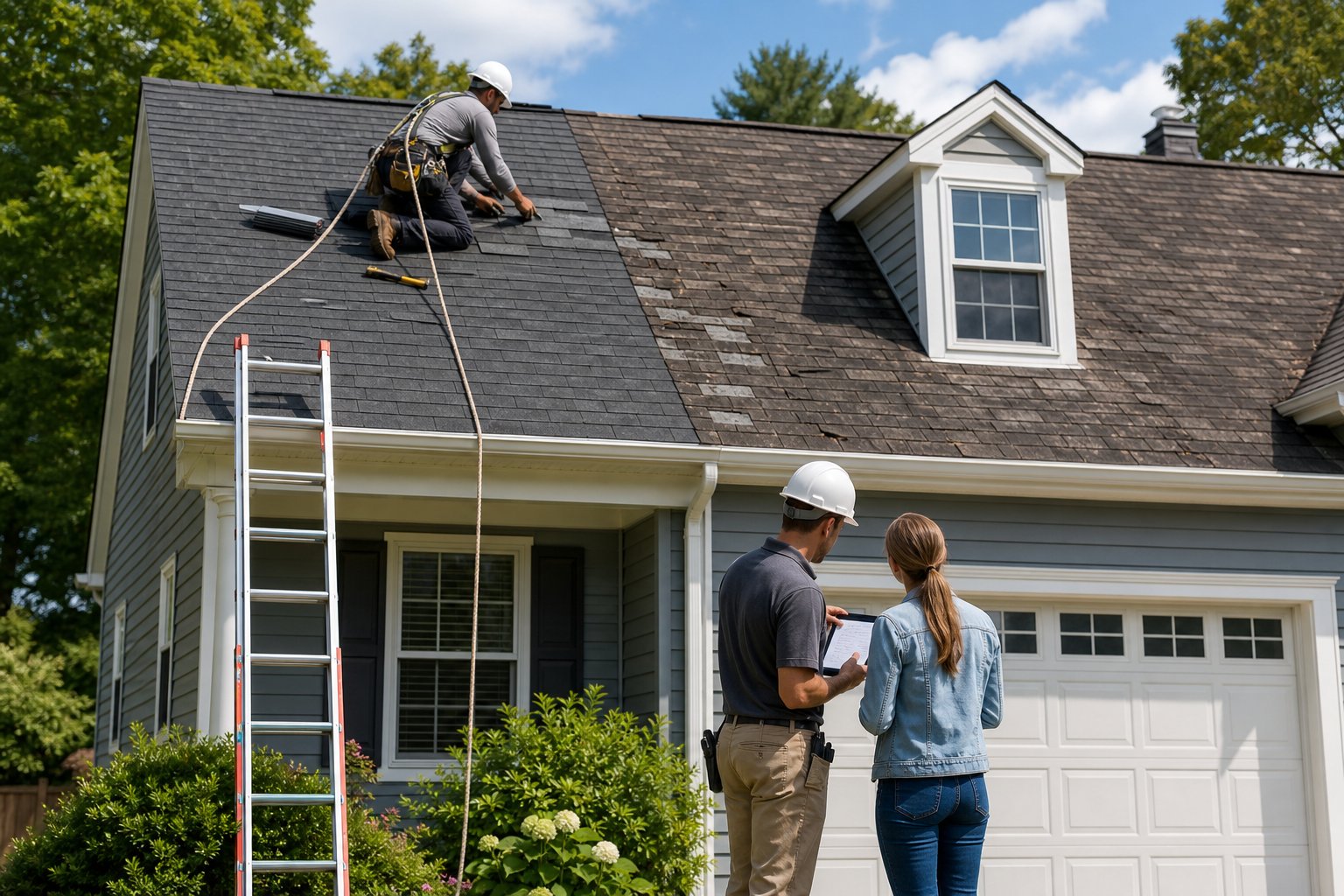
Roof repair works well when damage is small, your roof is under 15 years old, and the fix costs less than 30% of a full replacement. Roof replacement makes more sense when damage covers a large area, the roof is near the end of its life, or you notice signs of structural trouble. Knowing the difference can help you avoid spending money you don't need to spend.
This guide walks you through how to check your roof's condition, compare costs, and think about other factors like your home's value and how long you plan to stay there. By the end, you will have a clear way to decide what your roof actually needs.
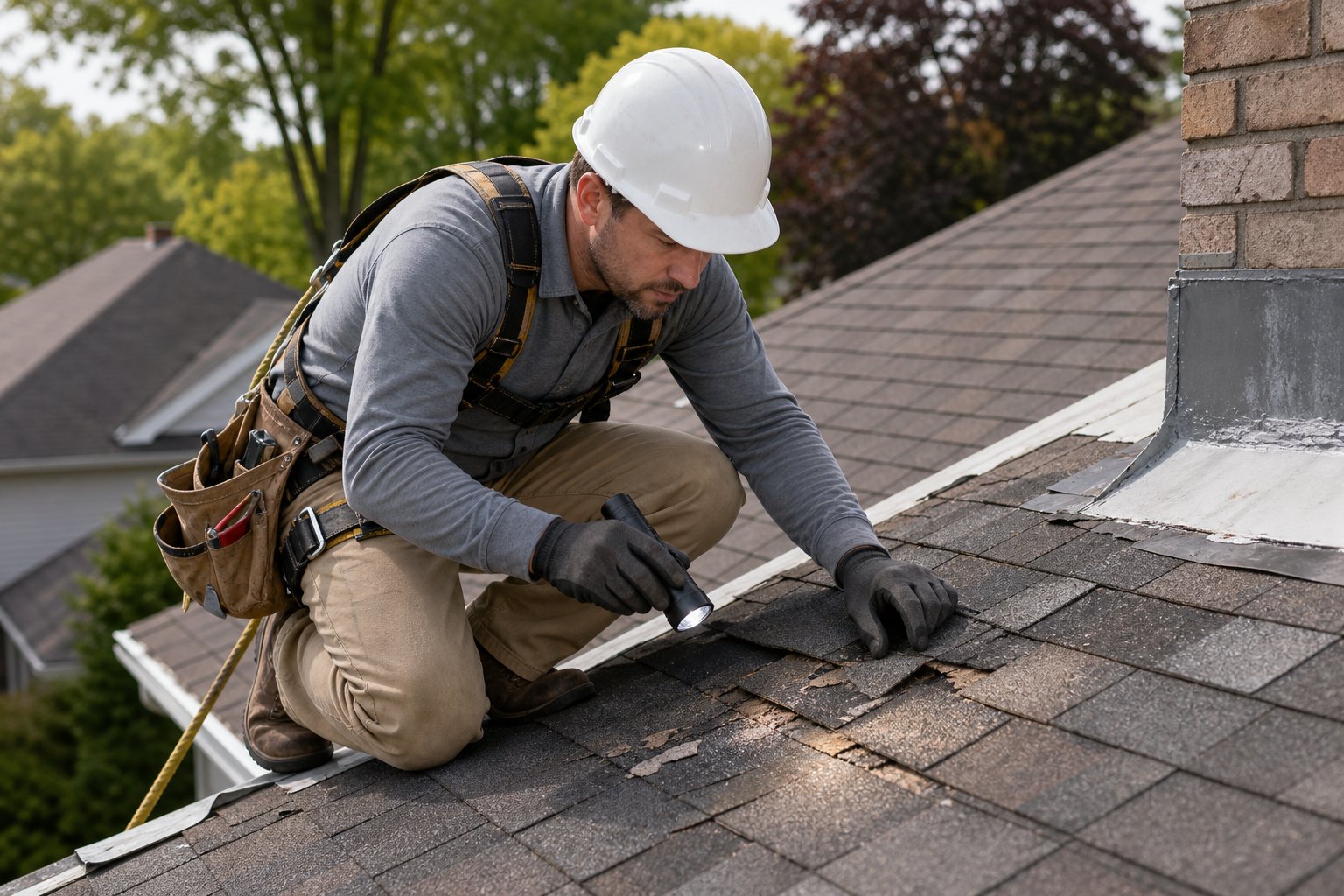
Before you decide between repair and replacement, you need to know what shape your roof is actually in. Some problems are small and easy to fix, while others signal that the whole roof is wearing out.
If you see a few missing or cracked shingles, that's usually a repair job. Small leaks around a chimney, vent, or skylight often just need new flashing or sealant.
Look for damage that stays in one spot instead of spreading across the roof. A localized issue is a good sign that a patch job will hold.
Your roof's age matters too. If it's under 15 years old and the damage is minor, repair is likely your best option.
Here are common repair-level signs:
Widespread damage is the biggest red flag for replacement. If shingles are curling, cracking, or missing across large sections of the roof, patching won't solve the problem.
Age plays a major role here as well. Most asphalt shingle roofs last 20 to 25 years, so if yours is near or past that mark, replacement makes more sense than repeated fixes.
Multiple leaks in different areas often point to a roof that's failing overall, not just in one spot. The same goes for soft or sagging spots in the roof deck, which can mean water damage underneath the surface.
Watch for these signs:
A licensed roofing contractor can check things you can't see from the ground or even from a ladder. They'll look at the roof deck, the underlayment, and the condition of the flashing.
Inspectors also check for trapped moisture, which can lead to mold or rot even if the surface looks fine. This kind of damage often decides whether repair is realistic or replacement is the only real option.
A good inspection report should include:
What's CheckedWhy It MattersShingle conditionShows wear pattern and remaining lifespanRoof deckReveals soft spots or rotFlashingCommon source of leaksVentilationAffects roof lifespan and energy useMoisture levelsDetects hidden water damage
Ask your contractor for photos and a written summary. This gives you clear evidence to base your decision on, rather than relying on guesswork.
Money matters when you choose between repair and replacement. You need to look at what you spend now, what you save later, and how insurance or warranties fit into the picture.
Repair costs depend on the size and type of damage. Small fixes, like patching a leak or replacing a few shingles, often cost a few hundred dollars.
Larger repairs, such as fixing flashing or repairing storm damage, can run into the thousands. Here's a general breakdown:
You should get a written quote before agreeing to any repair. This helps you compare the cost against the 30% rule many contractors use to decide if replacement makes more sense.
A full roof replacement costs more upfront, but it can save you money over time. The average asphalt shingle roof replacement costs close to $19,000, including labor and materials.
You'll pay more at once, but you avoid repeated repair bills. A new roof also lasts longer, depending on the material you choose:
MaterialAverage LifespanAsphalt shingles20–25 yearsMetal40–70 yearsTile50+ years
If you plan to stay in your home for many years, replacement often gives you better value. It also improves energy efficiency, which can lower your utility bills.
Your insurance policy may cover part or all of a repair or replacement if the damage came from a storm, fire, or another covered event. You should check your policy details before starting any work, since coverage limits and deductibles vary.
Warranties also affect your decision. If your roof is still under a manufacturer's or contractor's warranty, repairs may cost you little or nothing. But if the warranty has expired, you'll pay full price for repairs or replacement.
Before you decide, ask these questions:
Understanding these factors helps you avoid unexpected costs and choose the option that fits your budget and needs.
Your roof's age, material, and current condition all play a role in the repair or replace decision. Storm history, structural health, and how the roof affects your energy bills and home value also matter.
Your roof's material tells you a lot about how long it should last. Asphalt shingles typically last 20 to 25 years. Metal roofs can last 40 to 70 years. Tile and slate can last 50 years or more.
If your roof is near the end of its expected lifespan, a repair may only be a short-term fix. You could end up paying for another repair soon after.
Here's a quick guide:
Matching new shingles to old ones also gets harder as your roof ages. Older materials may be discontinued, leaving your roof with mismatched patches.
Storms can cause damage that isn't always visible from the ground. Hail, wind, and heavy rain can crack shingles, loosen flashing, or weaken the roof deck underneath.
A single missing shingle or small leak is often a simple repair. But if a storm caused damage across a large section of your roof, replacement may be the safer option.
Check for these signs of structural concern:
Structural damage affects more than just the surface. If the decking underneath is compromised, patching shingles won't solve the real problem. A professional inspection can confirm whether the frame and decking are still solid before you decide.
An older or damaged roof can let heat and cool air escape. This raises your energy bills throughout the year. New roofing materials often include better insulation and reflective coatings that help regulate indoor temperature.
If you notice your heating or cooling costs going up without another clear reason, your roof could be part of the problem.
Your roof also makes up a large part of your home's appearance. A patched or aging roof can make your home look worn, even if other areas are well maintained. This matters most if you plan to sell soon, since buyers often notice roof condition early in a home tour.
A full replacement gives you a clean, uniform look and can improve your home's resale value.
Choosing between repair and replacement comes down to a few clear factors: the age of your roof, the extent of the damage, and how much you plan to spend now versus later. Once you understand these factors, you can make a choice that protects your home without wasting money.
Repairs work best when the damage is limited to a small area. If you have a few missing shingles or a small leak, a repair can fix the problem without a big expense.
Your roof's age matters too. A roof under 15 years old is often a good candidate for repair, especially if the rest of it is in good shape.
Cost is another key sign. If the repair costs less than 30% of a full replacement, it usually makes financial sense to fix rather than replace. This keeps your roof working without spending more than you need to.
Replacement becomes the smarter choice when damage covers a large part of your roof. Widespread leaks, sagging areas, or multiple failing sections point to a bigger problem than a patch can fix.
Age plays a big role here as well. If your roof is near the end of its expected lifespan, repairs may only delay a replacement you'll need soon anyway.
Repeated repairs are another red flag. If you keep paying for fixes on the same roof every year, those costs add up fast. At that point, a full replacement often saves you money in the long run.
You should also think about your plans for the home. If you're staying long-term, a new roof adds value and peace of mind.
A professional inspection gives you the clearest picture of your roof's condition. Trying to judge damage from the ground, or climbing up yourself, can miss serious problems and put you at risk.
Look for a licensed and insured contractor with a strong local reputation. Ask for references and check recent reviews before you decide.
A qualified contractor should give you a written estimate that explains the scope of work. They should also be willing to answer your questions clearly, without pressuring you into a decision.
Compare a few quotes to make sure the pricing and recommendations are consistent. This step helps you avoid unnecessary work and gives you confidence in your final choice.
These answers cover the most common questions homeowners ask about roof repair and replacement, including cost, timing, and insurance coverage.
Start by looking at three things: the age of your roof, how much damage it has, and the cost to fix it. If your roof is under 15 years old and the damage is limited to one area, repair is often the right call.
If the repair cost gets close to half the price of a new roof, replacement usually makes more sense. You should also check if leaks keep coming back in different spots. Repeated leaks in new areas often mean the whole roof is wearing out, not just one section.
The size of the damaged area is the biggest factor. Small repairs, like fixing a few shingles or patching a leak, usually cost between $300 and $1,500.
Larger repairs that involve structural work or multiple sections can run from $1,500 to $6,000. A full roof replacement costs more upfront, typically between $5,500 and $18,000 for asphalt shingles, depending on your roof's size and material.
Other things that affect cost include the type of roofing material, how steep your roof is, and your location. Labor costs vary a lot by region, so getting a local quote gives you the most accurate number.
The 25% rule is a guideline some roofers use to decide if a repair is worth it. If the damaged area covers more than 25% of your total roof, replacement is often the smarter choice.
This rule helps you avoid spending money on repeated repairs that don't fix the underlying problem. Some contractors use a 30% threshold instead, so ask your roofer which standard they follow. Either way, the goal is the same: figure out if a partial fix will actually solve the issue or just delay a bigger expense.
Most asphalt shingle roofs last between 20 and 25 years. If your roof is under 15 years old, repairs usually make more financial sense since the roof still has a lot of life left.
Once your roof passes the 15 to 20 year mark, repairs become a less reliable investment. You might fix one issue only to have another appear a few months later. At that point, putting money toward a full replacement often saves you more in the long run.
Full replacement becomes necessary when damage spreads across multiple areas instead of staying in one spot. Widespread leaks, sagging sections, or major structural issues are signs that patch repairs won't hold.
You should also consider replacement if your roof is near the end of its expected lifespan, even if the damage looks minor right now. Fixing an old roof piece by piece often costs more over time than replacing it once. If a contractor finds rot in the roof deck or damage to the support structure, that's usually a clear sign repair alone won't fix the problem.
Many homeowners insurance policies cover roof damage caused by storms, including wind and hail. Coverage depends on your specific policy, so you'll want to check your declarations page or call your insurance agent to confirm what's included.
Insurance companies typically send an adjuster to inspect the damage before approving a claim. The adjuster's report often determines whether your insurer pays for a repair or a full replacement. Keep in mind that insurance usually won't cover damage caused by normal wear and tear or lack of maintenance, only sudden damage from a specific storm event.


